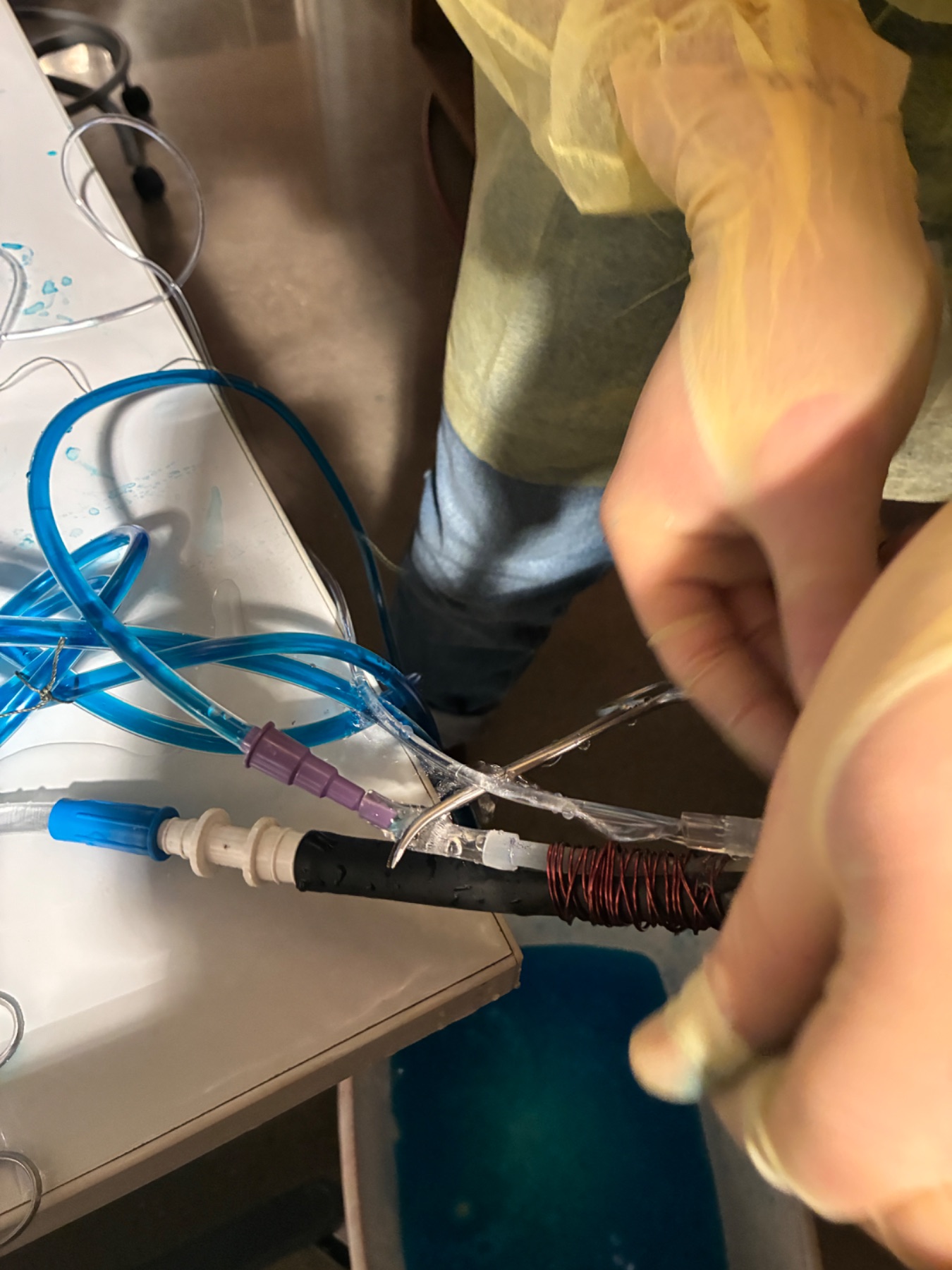
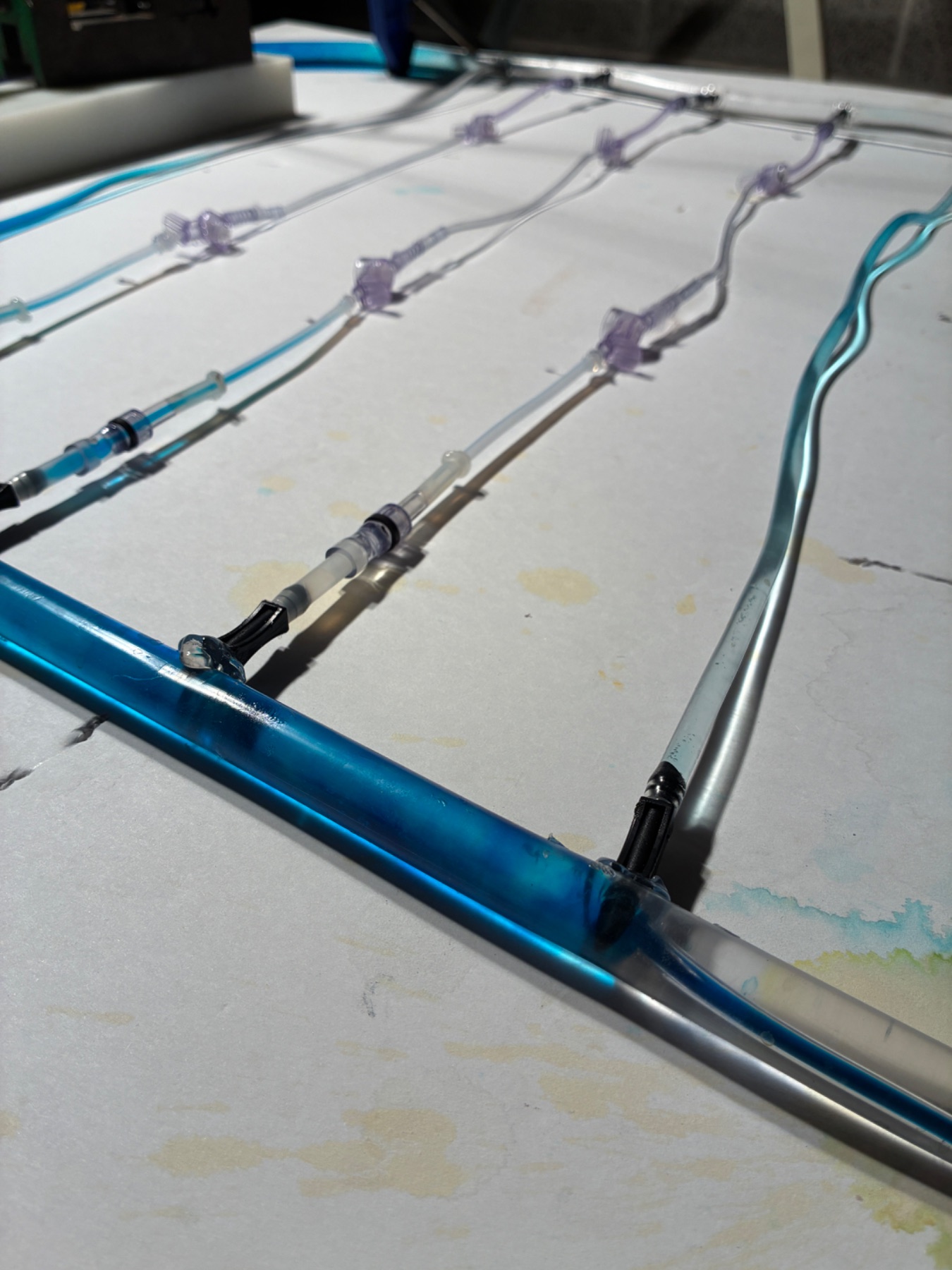
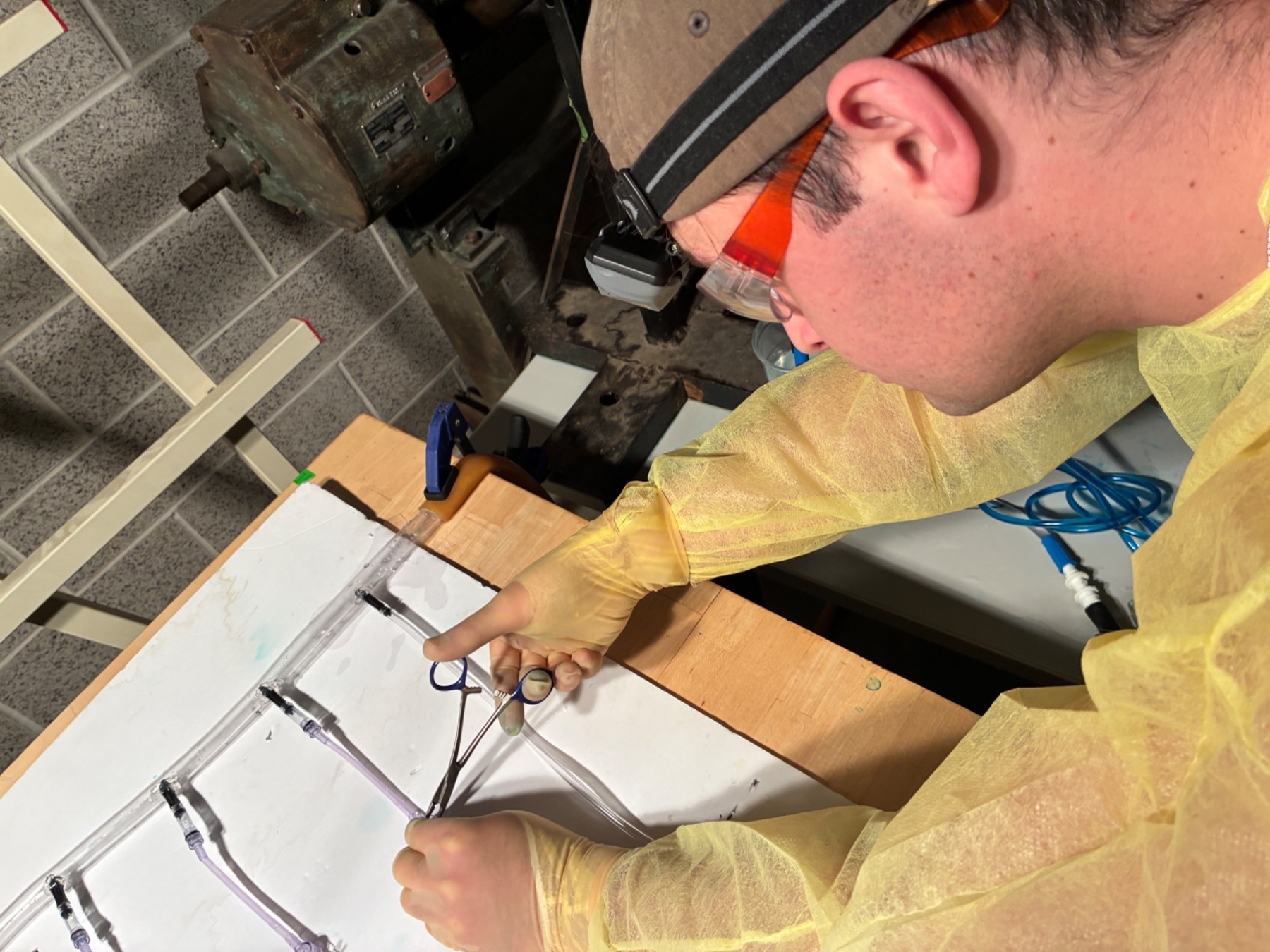
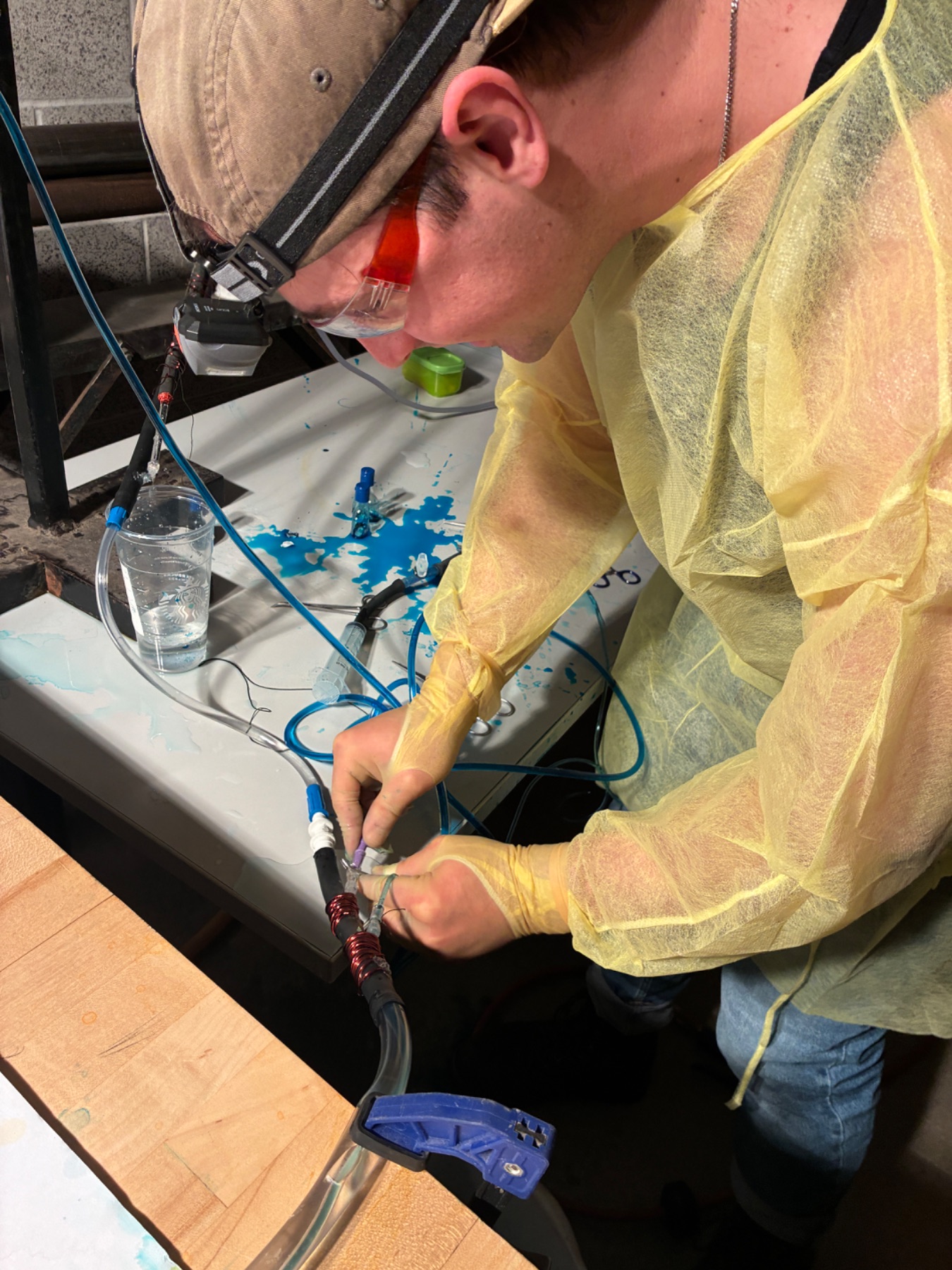
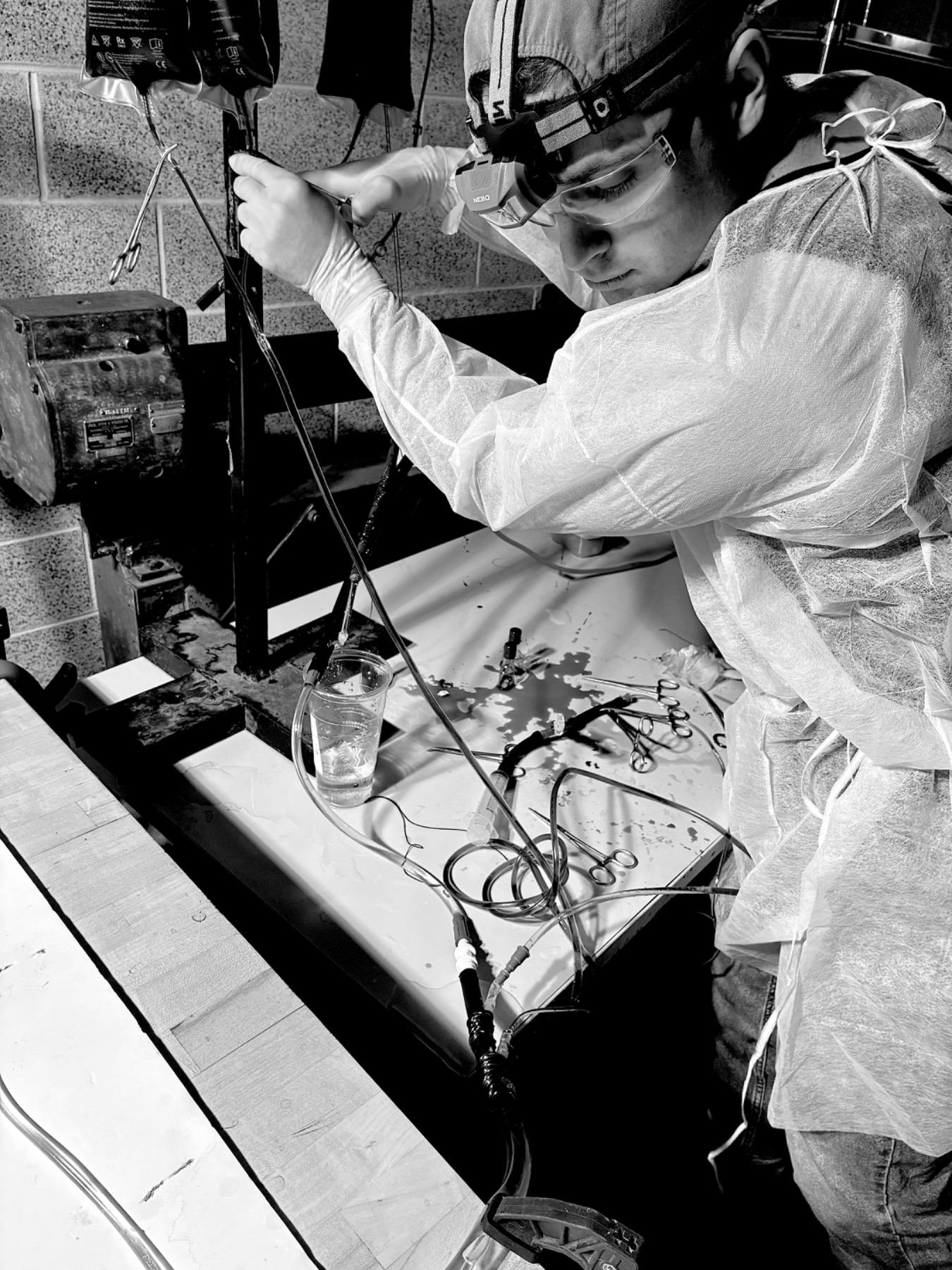
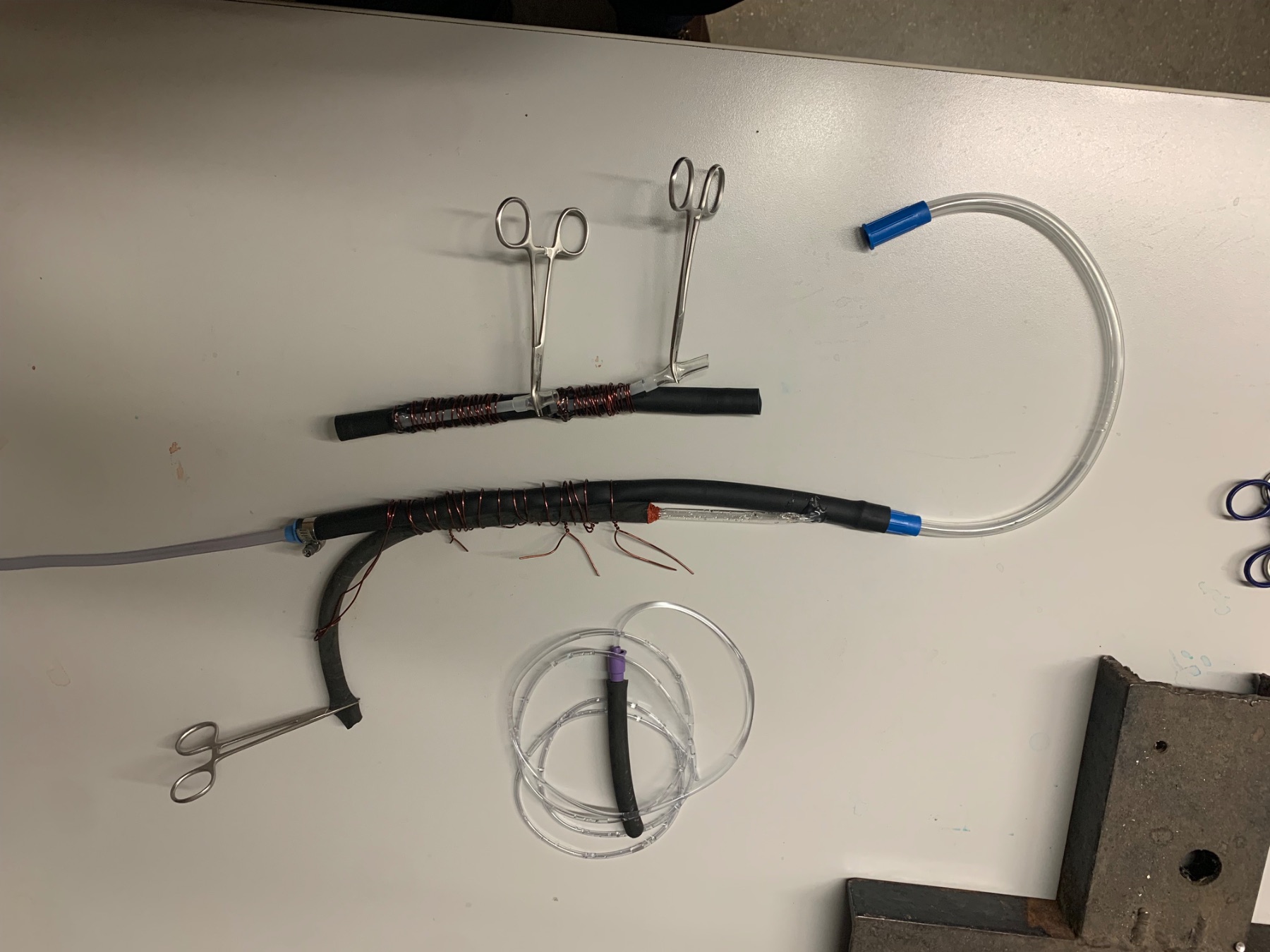
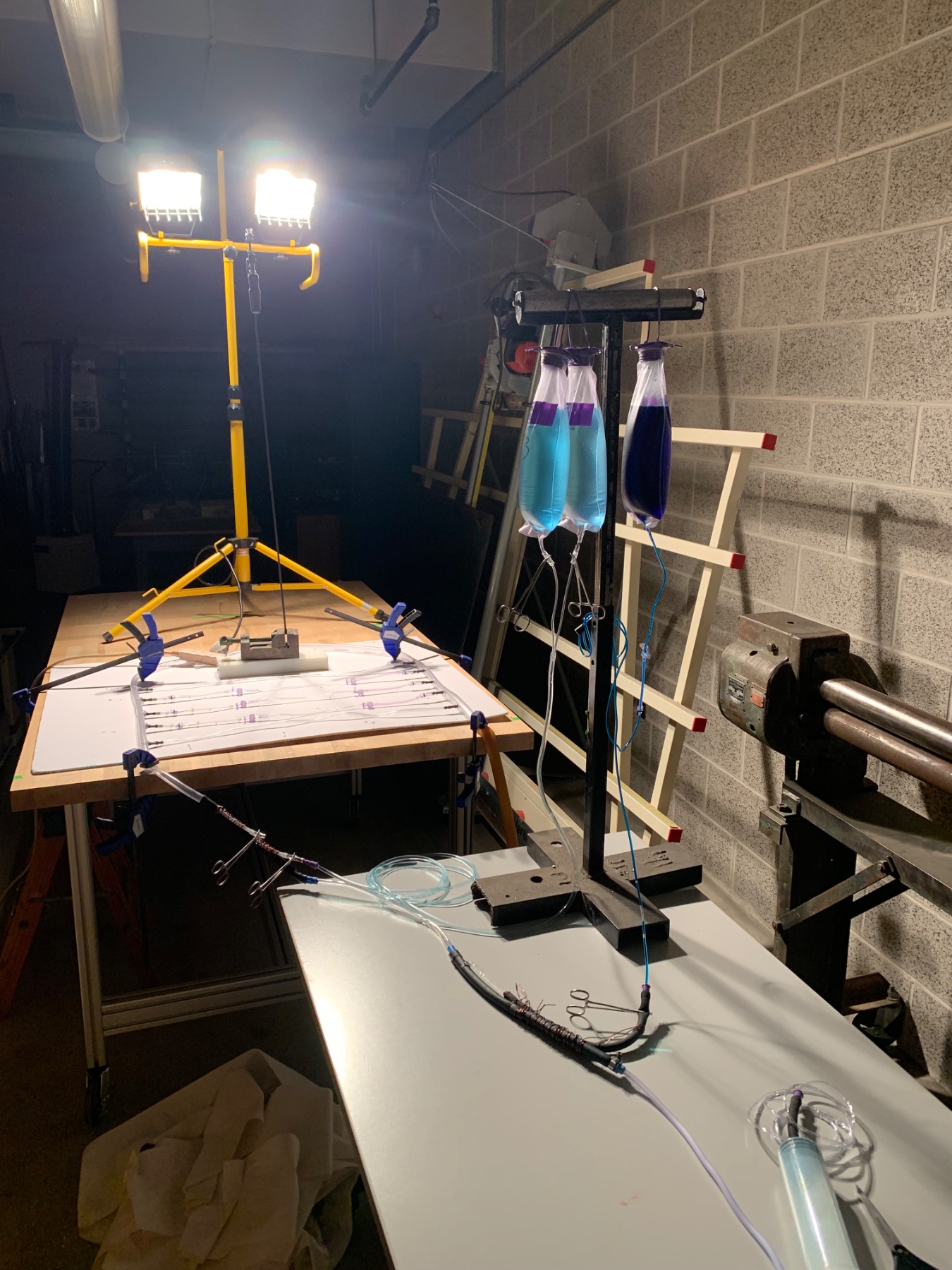
The Venetian Circulation is a biophysical simulation of the circulatory system capable of fluid-dynamic measurement through optical angiography. The device is currently being used to simulate and study decompensated shock, probing for potential treatment strategies. In addition, its angiography capabilities are being adapted to simulate fluoroscopy — an adaptation that could become the foundation for further innovation in PCI, EVAR, and TAVR.
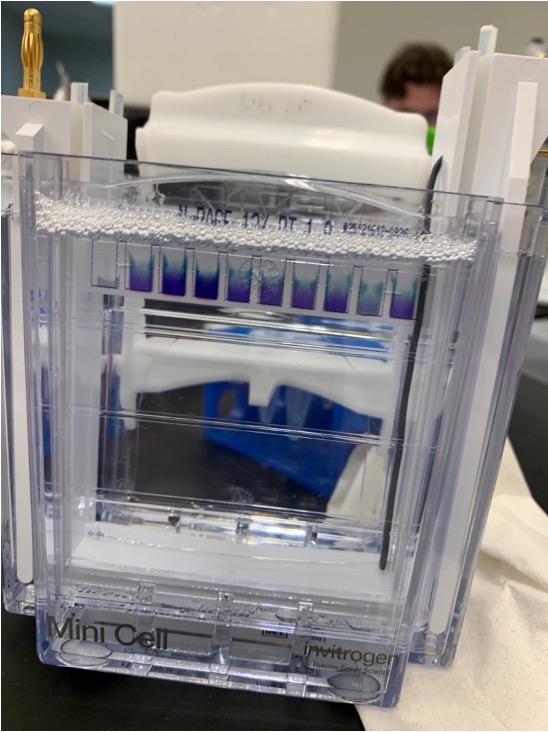
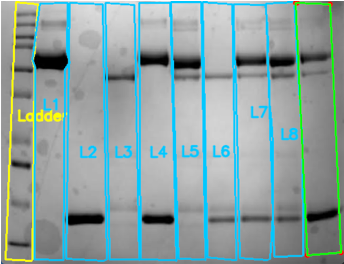
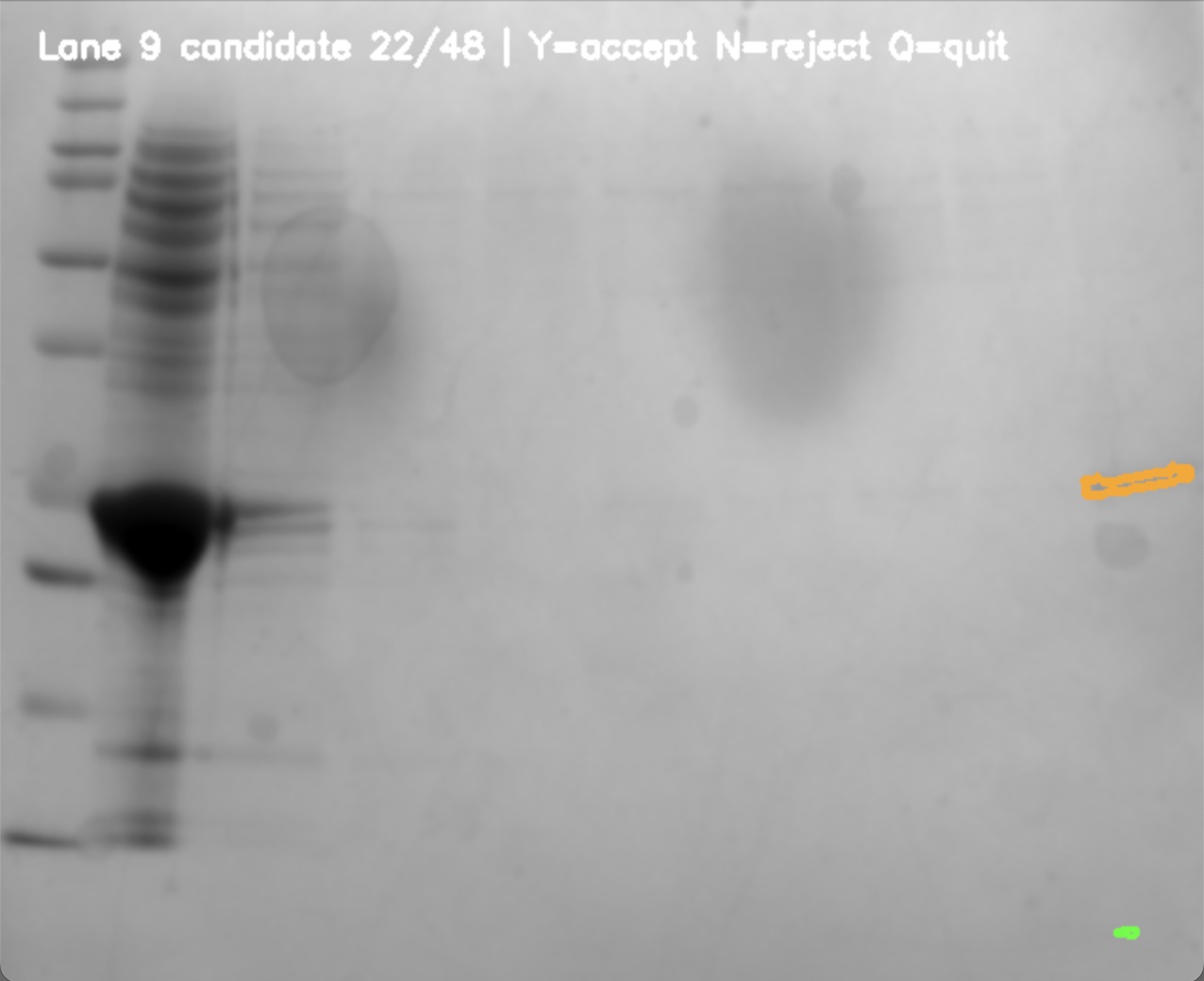
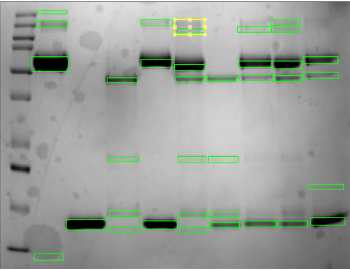
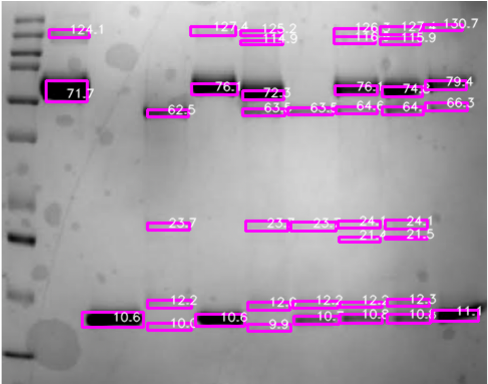
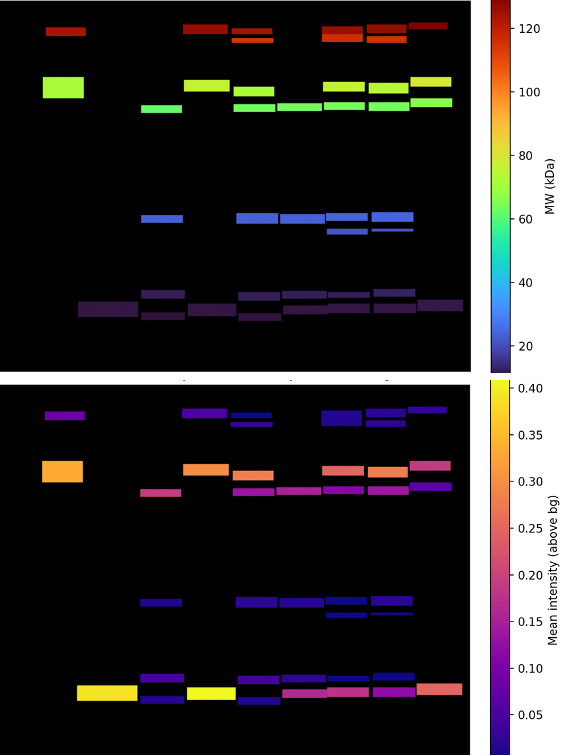
The study of proteins and their relationship to each other within a biological system — known as proteomics — is a powerful field that is revolutionizing our understanding of biochemistry and the molecular mechanics of disease. Yet current experimental techniques are prohibitively expensive, limiting the research to a select few. The goal of Simple Stratified Protein Quantification (SSPQ) is to provide a low-cost alternative for quantitative proteomic research. Using gels, computer vision, and mathematical modeling, SSPQ — facilitated by our novel Converge Program — is being developed to democratize proteomic research.
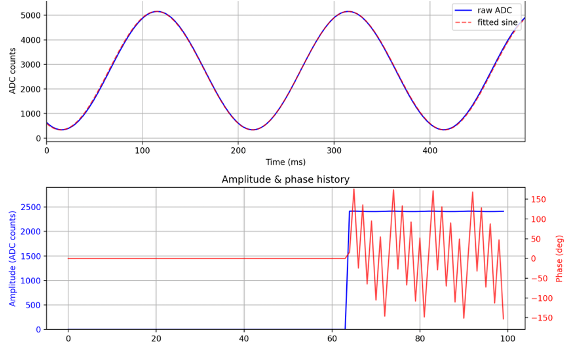
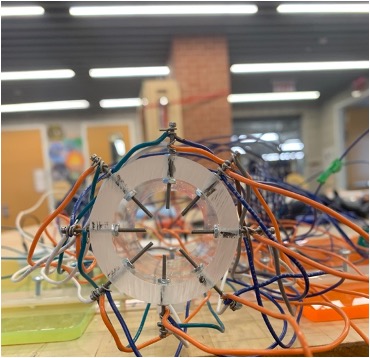
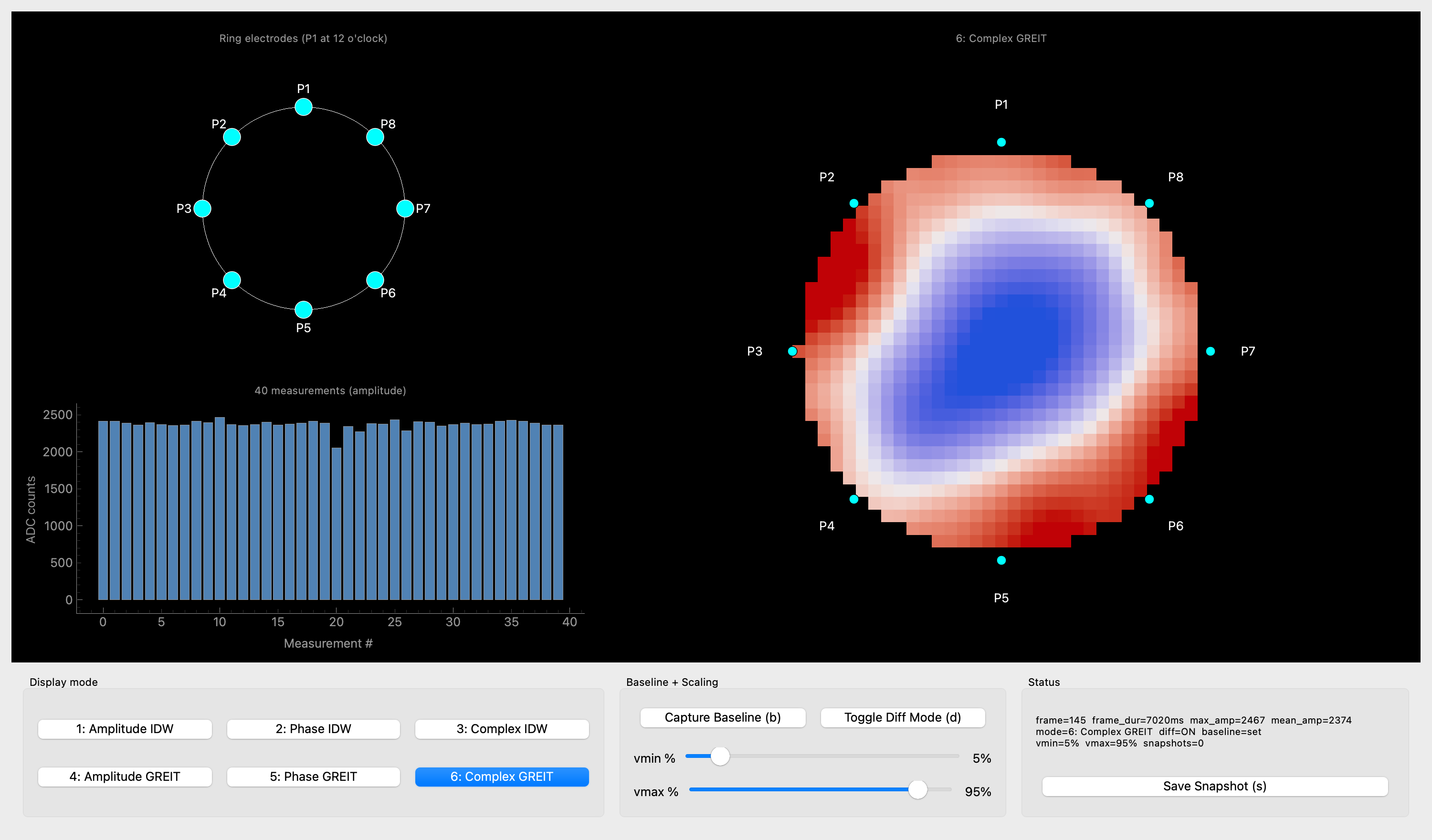
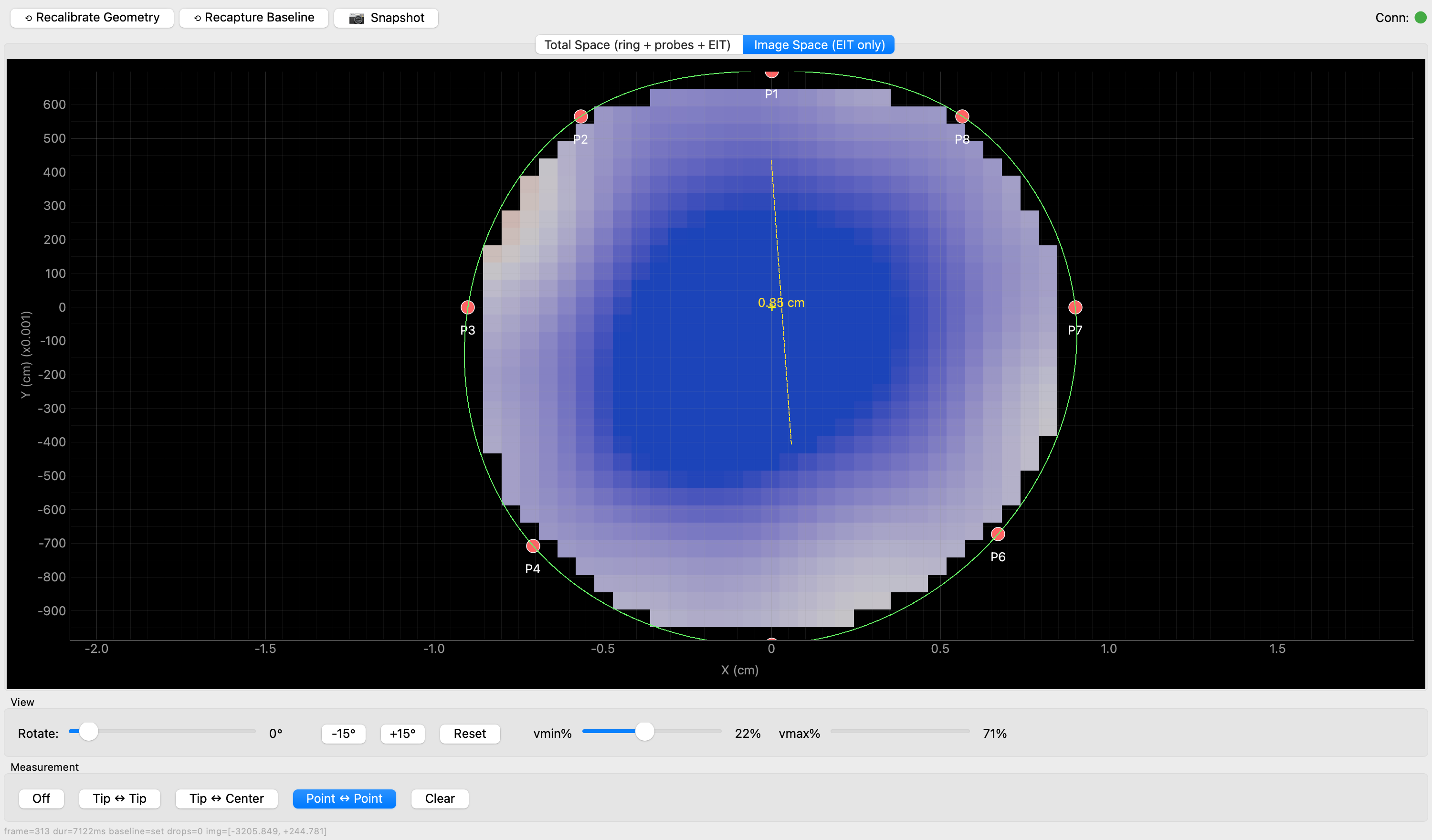
Intraoperative surgical imaging is changing the way surgery is performed. It allows for less invasive approaches, reductions in infection rates, and the ability to treat pathologies hidden to the naked eye. Yet many of the current intraoperative systems in place are cumbersome, some radioactive, and require stoppages in the operation in order to be performed. Electrical Impedance Tomography (EIT) is a non-radioactive imaging platform that uses current differentials to reconstruct an image. Given its rapid acquisition speed, it may be used to give a live view. The goal of this project is to probe the feasibility of EIT as a live intraoperative imaging system — expanding the arsenal of imaging systems for surgery and solving some of the current issues faced within the field.